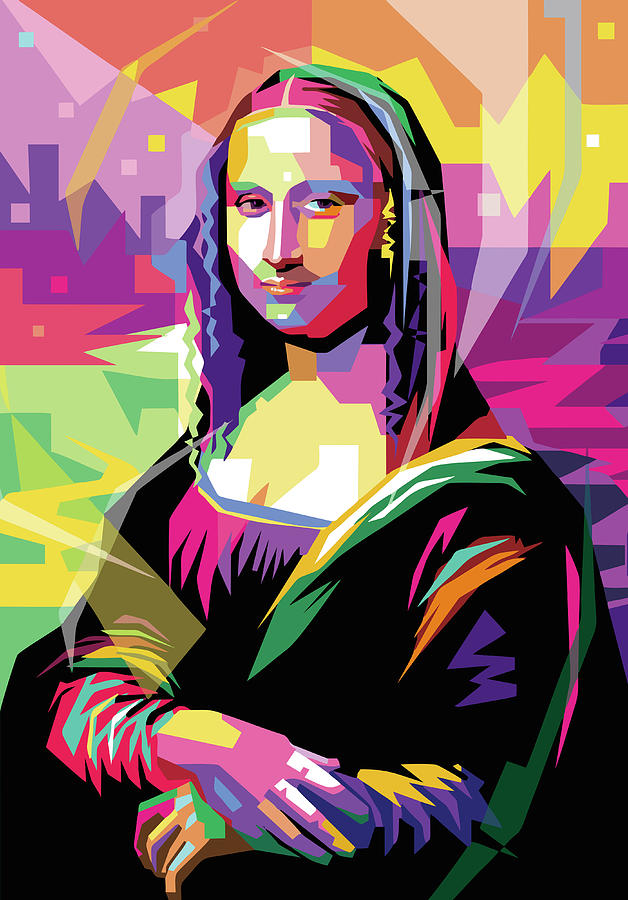
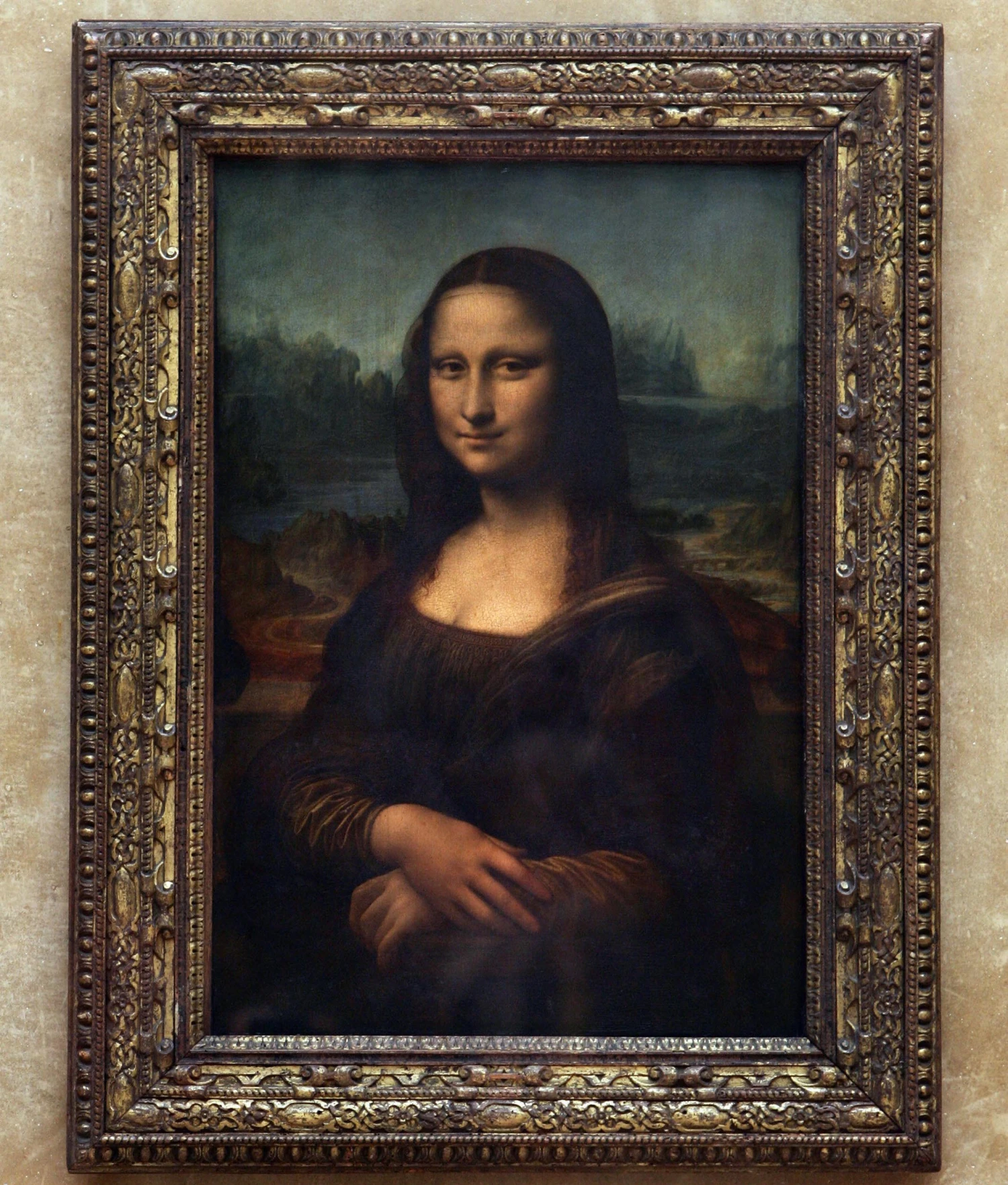
In today’s world, almost everything can exist digitally. From 3D models of ancient ruins to virtual art galleries and interactive maps, digital representations are everywhere. But how do these virtual versions compare to their “natural” counterparts? And more importantly, what do we gain and lose when we trade the physical for the digital?
What We Gain
1. Accessibility and Reach
Digital objects can be shared instantly with anyone, anywhere. A museum exhibit in Paris can be explored virtually by someone in Boston or Bangkok. Learning, exploring, and interacting with objects or concepts is no longer limited by geography or cost.
2. Flexibility and Manipulation
Digital versions can be edited, duplicated, or simulated without ever touching the original. Artists can experiment with color and composition in ways impossible with a physical painting. Engineers can test structural stress on a digital bridge model without risking human safety.
3. Analytical Power
Digital objects allow for deeper analysis. Scientists can measure, model, and run simulations on digital scans of fossils, historical artifacts, or biological samples. These tools open doors to insights that might be impossible or destructive to obtain from the original.
4. Integration and Interaction
Digital forms can connect with other data or systems. Maps, for instance, can link to real-time traffic, weather, and GPS. Educational tools can layer additional context, animations, or interactive experiences that bring the subject to life.
What We Lose
1. Sensory Richness
No screen can fully replicate touch, smell, texture, or spatial presence. The smoothness of a marble sculpture, the scent of a pine forest, or the weight of a hardcover book these physical qualities vanish in translation to pixels.
2. Context and Authenticity
Original objects carry history, environment, and cultural significance. A digital scan of Van Gogh’s Starry Night can show the colors, but it cannot convey the scale, the brushstroke depth, or the aura of standing in front of the original painting.
3. Uniqueness and Imperfection
Digital reproductions tend to standardize. Nature’s irregularities, tiny fractures in a rock, subtle variations in a leaf, are often smoothed over. The imperfections that give objects character are often lost.
4. Emotional Impact
Experiencing the physical world evokes feelings that digital versions rarely replicate. Whether it’s awe at a towering cathedral or nostalgia in a childhood home, the visceral emotional connection is hard to capture on a screen.