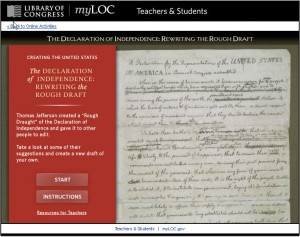
Digital respresentation such as scanned documents and virtual models, provide important advantages in both historical and modern context. Historically digitization has allowed fragile artifacts to be preserved with physical wear and tear. Institutions like the library of congress have made rare documents accessible to a global audience through digital archives. This increases accessibility and allows researchers to study material without traveling. In modern contexts, digital representations enable rapid data sharing and analysis across industries like finance, healthcare, and engineering. From an information system perspective, digital data can be stored and duplicated efficiently at low cost. However, digitization can lead to a loss of physical context such as texture or scale, that mmay be important for interpretation. There are also risks of technological obsolescence, where older file formats or storage systems become unusable over time. From a social perspective, unequal access to technology creates a digital divide that limits who benefits from these resources.